

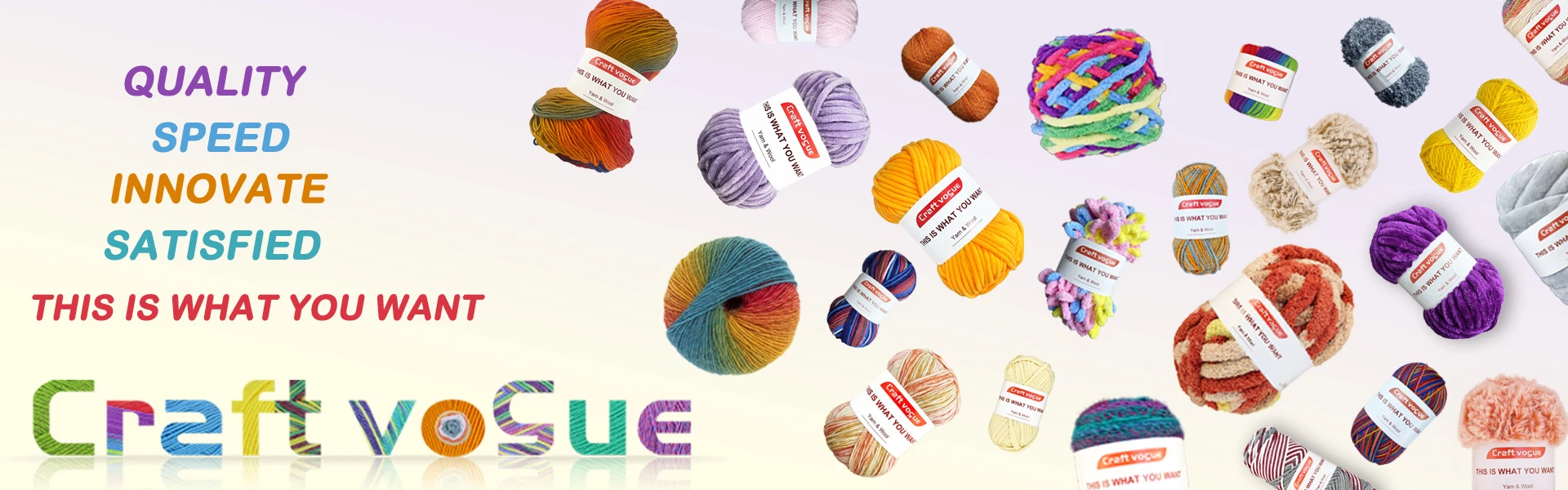
Acrylic fiber has excellent properties. Because its properties are close to wool, it is called "synthetic wool". Usually, in our daily life, when we buy fibers for businesses, they are commonly called acrylic fibers. Acrylic synthetic fibers contain or contain more than 85 copolymers. Acrylic fiber can be blended with wool, and the products are mostly used in civilian applications, such as wool, blankets, knitted sportswear, tarpaulins, curtains, artificial fur, plush, bulk yarn, hoses, parasol cloth, etc. Acrylic fiber is also the raw material for high-tech products - carbon fiber. According to the requirements of different advantages such as not being afraid of insects, it can be spun pure or blended with fibers, and various specifications of medium and thick wool and fine wool are "cashmee".
The thermal extensibility of acrylic fiber is suitable for making bulk yarn, wool, knitted fabric and artificial fur and other products. After its performance, acrylic fiber is soft to the touch, easy to dye, and bright in color. The elasticity is not as good as wool, polyester and other fibers, especially after repeated stretching, the residual deformation is large. Therefore, the cuffs and necklines of clothes made of acrylic fibers are easily deformed. The hygroscopicity of acrylic fiber is lower than that of nylon, and it is easy to generate static electricity and pilling. Acrylic fiber has low thermal conductivity and light texture, so it has good heat retention, and at the same time has excellent sunlight resistance, anti-moth and mildew, and is widely used in knitted clothing. Can be dyed with disperse dyes, cationic dyes and acid dyes.


