

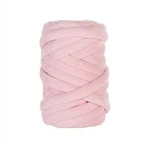
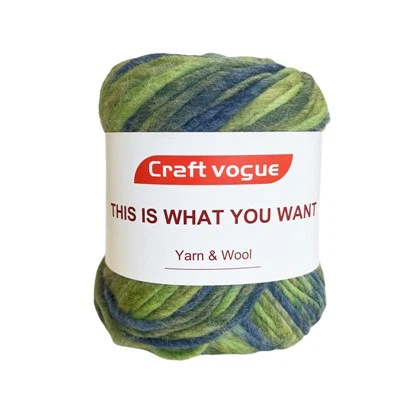
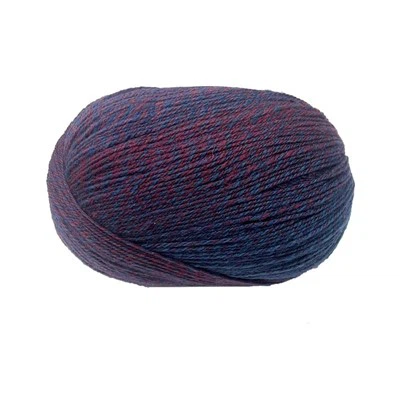
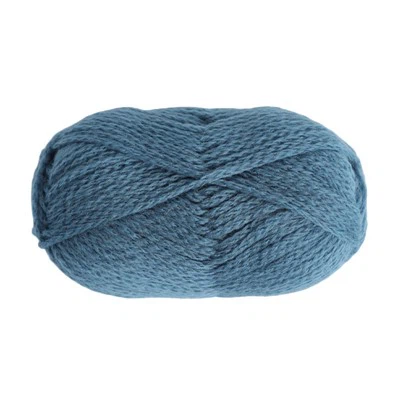
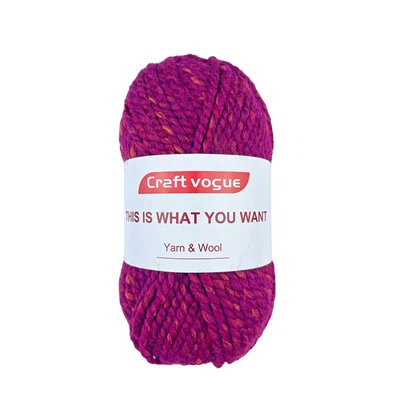
Wool Yarn
Lenuo Yarn Factory Commonly Uses Wool Types (based On Origin) To Produce Wool Yarn: Australian Merino Wool, New Zealand Wool, British Wool, Uruguayan Wool, French Wool, Spanish Wool, Chinese Wool, Turkish Wool, Lincoln Wool, Portuguese Wool, Hungarian Wool, Etc.
There Are Many Types Of Wool Yarn, Which Can Also Be Classified According To Different Fiber Lengths, Fiber Fineness, Twist And Other Factors.
In Addition To Wool, Our Wool Yarn Can Be Blended With High-end Fibers Such As Cashmere, Alpaca, And Mohair, And Can Also Be Blended With Mid- And Low-end Fibers Such As Cotton, Viscose, Acrylic, And Nylon.

Raw wool processing process
1. Shearing: Use Mechanical Scissors To Cut The Wool. Shearing Is Usually Done By Hand, Which Will Not Harm The Sheep.
2. Grading: Grade The Raw Wool According To Quality, And Remove Impurities Such As Sweat, Grease, Feces, Sand, Grass Thorns, Etc. To Ensure The Smooth Progress Of Subsequent Processing.
3. Opening: Open The Raw Wool For Better Subsequent Processing.
4. Washing: Remove Impurities In Wool, Including Lanolin, Sheep Sweat, Sheep Feces, Etc., Through A Combination Of Physical And Chemical Methods To Ensure The Purity Of Wool.
5. Drying: Remove Moisture From Wool After Washing To Meet The Requirements Of Spinning.
6. Carbonization: Further Remove Impurities, Especially Impurities Such As Grass Thorns That Are Difficult To Remove By Washing, To Ensure The Quality Of Wool Fibers.
Mulesing-Free Certification
Our yarn mill is proud to be certified Mulesing Free. This means that we do not use any cruel shaving methods to collect wool, but rather use humane methods. We always insist on producing our yarn in a sustainable and environmentally friendly way and ensure that our production processes meet the highest global standards. We are well aware that our customers are highly concerned about the quality and production methods of our products, so our Mulesing Free certification also means that we can provide customers with more beautiful, more humane and more environmentally friendly products. We will continue to work hard to provide customers with more high-quality and high-end yarn products, make our contribution, and do our part in the global environmental protection cause.







Micron Number Of Wool
The Micron Number Of Wool Refers To The Diameter Of Wool Fibers, Usually Expressed In Microns (um), Where One Micron Is One Millionth Of A Meter. The Smaller The Micron Number Of Wool, The Finer The Wool And The Softer Its Texture; Conversely, The Larger The Micron Number, The Coarser And Harder The Wool.
Commonly Used Processing Technology For Wool fibres

Wool Needs To Be Treated With Basolandc Chlorination Or Protease To Destroy And Remove The Wool Scales On The Surface Of The Wool, Reducing The Difference In Friction Coefficient When The Wool Moves Forward And Backward.
Mercerized Wool : Removes 5% Wool Scales.
Features: High Gloss, Bright Color, Shrink-proof.
Superwash process
The Superwash Process Of Wool Yarn Refers To The Use Of Specific Chemical Or Biological Enzyme Treatment To Destroy The Scale Structure On The Surface Of The Wool, And Then Apply Appropriate Polymers To Make The Wool Fabric Not Shrink Or Deform Under Standard Mechanical Washing Conditions.
Superwash Wool: Removes 3% Wool Scales.
Features: No Shrinkage, No Glossiness.

Dyeing process of wool yarn


How Wool Yarn Is Produced?
1. Raw Material Preparation: The Collected Wool Is Sorted, Then Washed And Dried.
2. Pretreatment: The Cleaned Wool Is Opened With An Opener, Then Combed To Remove Short Fibers And Impurities.
3. Spinning:
Woollen Spinning: The Combed Wool Is Stretched Into Thin Strips, And Then The Stretched Wool Is Combined Together.
Fine Spinning: The Combined Wool Strips Are Twisted Into Yarn, And Then The Yarn Is Stabilized By Steam And Other To Reduce Shrinkage And Deformation During Subsequent Processing.
4. Dyeing:
(1) Pretreatment: Remove Natural And Processed Oils On The Yarn.
(2) Dyeing: Dye Into Different Colors According To Requirements.
(3) Post-treatment: Fixing And Softening Treatment To Improve The Color Fastness And Softness Of The Yarn.
(4) Drying: Remove Moisture After Dyeing.
5. Balling: Ball The Yarn In The Balling Machine According To The Yarn Shape Required By The Customer.
6. Quality Inspection:
(1) Check The Strength, Uniformity, Color Difference And Other Indicators Of The Yarn.
(2) Ensure That The Product Meets The Standards And Customer Requirements.
7. Packaging
(1) Packing According To Customer Requirements Or Standards.
(2) Packing And Preparing For Shipment.
Application


differences Between Wool Fibre And Synthetic Fiber
1. Different Sources Of Materials: Wool Fiber Comes From Animals, While Synthetic Fibers Are Artificially Synthesized.
2. Different Properties: Wool Fiber Is Soft, Comfortable, Warm, And Breathable, While Synthetic Fibers Are More Durable, Easy To Care For, And Can Mimic The Properties Of Other Natural Fibers.
3. Different Prices: Since Wool Fiber Is Natural And Has A Higher Production Cost, It Is Usually More Expensive Than Synthetic Fibers.
4. Different Ecological And Environmental Protection: Wool Fiber Is Natural And Ecologically Sustainable, While Synthetic Fibers Produce A Lot Of Harmful Chemicals.

The most popular wool - Merino wool
The Wool Produced By Australian Merino Sheep Is Called Merino Wool.
Merino Wool Advantages
①Good Drape
②Good Ductility
③Comfortable And Breathable
④Warm In Winter And Cool In Summer
⑤Soft And Comfortable
⑥Good Moisture Absorption
⑦Antibacterial And Deodorizing
⑧Machine Washable
Smaller diameter
Merino Wool Is The Thinnest In Diameter Among Wool Varieties, And The Best Merino Wool Can Reach A Diameter Of Less Than 11.7 Microns.
Better texture
Merino Wool Has A Small Diameter, Good Elasticity, And A Softer And More Delicate Feel.
Different value
Merino Wool Has Undergone Special Shrinkage Prevention Treatment, Will Not Shrink Or Deform, And Is More Valuable Than Ordinary Wool.

Frequently Asked Questions
Regarding Wool Yarn, What Customized Services Does Your Factory Provide?
We provide many yarn customization services, including: ply, length(meters), yarn count(thickness), color(Patone color card).
What Dyes Do Factories Generally Use To Produce Wool Yarn?
Wool Dye: wool reactive special dye.
Azo: none.
dyelot chromatism in wool dyeing is usually above level 3.
What About The Lead Time For Mass Production?
Our delivery time is usually 45 days. However, it will be longer during the Chinese New Year.
If I Don't Satisfy Sample Or Bulk Order Quality,how Do You Deal With It?
We will confirm all production details before production,when products are done,will send you pictures to check,after you say ok,then we can arrange shipping. Any questions,we can solve it for you before shipping.