

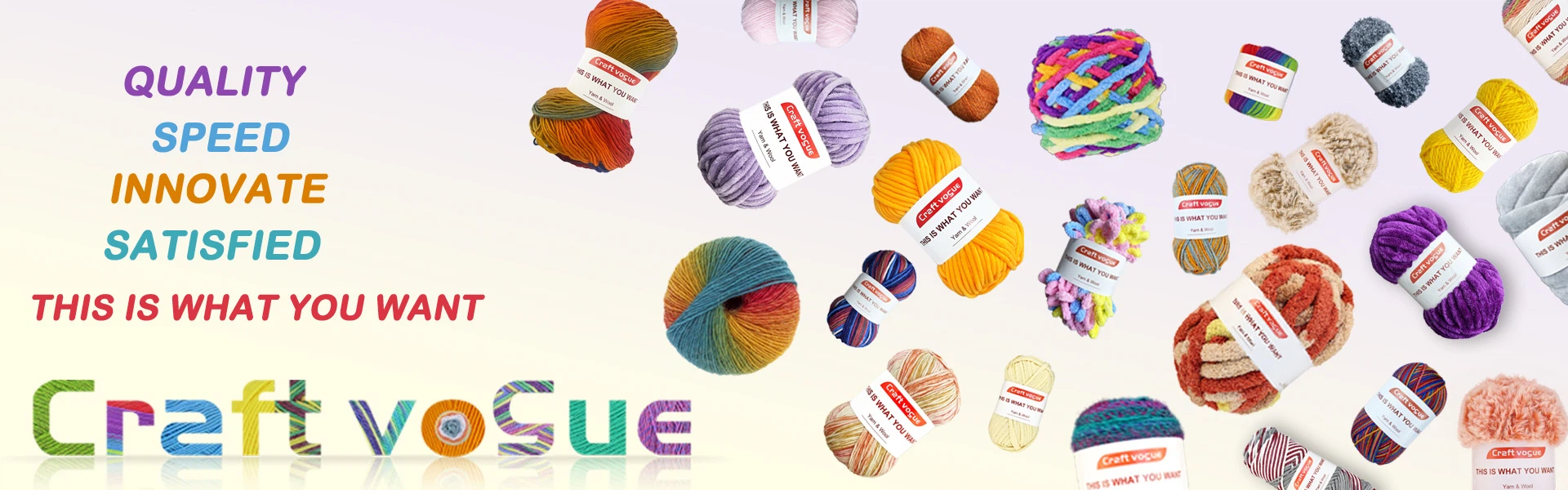
Baby velvet and velvet yarn are two types of yarn that are popular among crafters and knitters alike. While they may seem similar, there are a few key differences between the two.
Firstly, baby velvet yarn is much softer and more delicate than regular velvet yarn. This is because it is made from a blend of microfiber and rayon, which gives it a luxurious and silky feel. Baby velvet yarn is perfect for creating blankets, pillows, and other cozy items for babies and young children because of its softness and gentle texture.
On the other hand, velvet yarn is typically made from a blend of cotton and synthetic fibers, such as acrylic or polyester. This gives it a slightly stiffer texture than baby velvet yarn, but it is still very soft to the touch. Velvet yarn is often used to create fashionable accessories such as scarves, hats, and gloves because of its unique texture and ability to hold its shape.
Another key difference between baby velvet and velvet yarn is the range of colors available. Baby velvet yarn typically comes in pastel shades such as pink, blue, and cream, while velvet yarn is available in a wider range of bold and bright colors such as red, orange, and purple. This makes velvet yarn a great choice for creating statement pieces that stand out, while baby velvet yarn is ideal for creating more subtle and understated items.
When it comes to working with baby velvet and velvet yarn, there are a few differences to keep in mind. Baby velvet yarn is quite delicate and can be prone to shedding, so it's important to handle it carefully when knitting or crocheting. Velvet yarn, on the other hand, can be a bit trickier to work with because of its stiffer texture. However, with a bit of practice and patience, both types of yarn can be used to create beautiful and unique handmade items.
In conclusion, while baby velvet and velvet yarn may seem quite similar, there are a few key differences between the two. Baby velvet yarn is softer and more delicate, while velvet yarn is stiffer and more bold in its color range. Knowing these differences can help you choose the right yarn for your next crafting project.


