


Long-staple cotton
Long-staple cotton, as the name suggests, is a type of cotton with a longer fiber length. Its fiber length is generally 33 to 39 mm, and can be up to 64 mm.
Compared with ordinary cotton, the fiber of long-staple cotton is more flexible and has a higher glossiness, so it is known as the "noble" among cotton.
Long-staple cotton is mainly produced in warm and sunny areas around the world, such as the United States, Egypt, and Xinjiang, China.
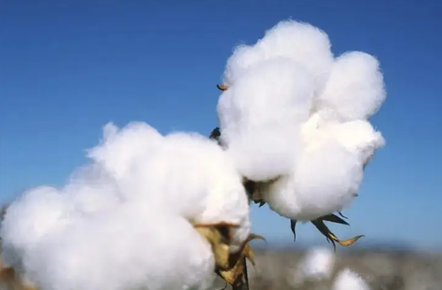
Pima Cotton
Pima cotton is the best long-staple cotton. The length of Pima cotton exceeds 40 mm, making it the cotton with the longest fiber length.
Only 3% of the cotton produced in the world can be called Pima cotton, so Pima cotton is also known as the "soft gold among cottons".
This type of cotton is only grown in the United States, Peru, and in small quantities in other regions such as Israel and Australia. It is an extra-long fiber among the fine fibers.
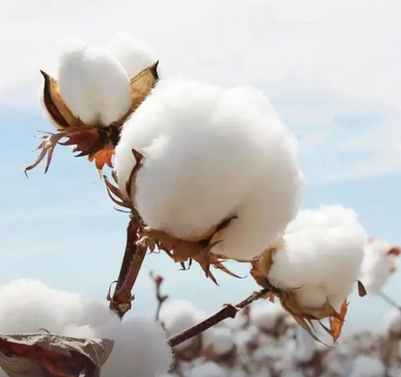
Long-staple cotton and Pima cotton represent the quality of the cotton raw materials, while combed cotton and mercerized cotton refer to the processing methods of cotton.
Combed cotton
Combed cotton refers to the process of adding a delicate combing process during the spinning process.
The method is to comb out the shorter fibers (about 1CM or less) and remove the impurities in the cotton, leaving the longer and neater fibers to create smooth yarn, making the cotton more resilient and less prone to pilling, and the quality of the cotton is more stable.
Fabrics made of combed cotton yarn have a higher quality level in texture, washability and durability.

Mercerized cotton
Cotton fabrics are treated with concentrated caustic soda to make the fabrics more shiny, stiffer and more shape-retaining. This process is called mercerization.
After mercerization, the cotton fibers undergo physical changes in fiber morphology. The natural longitudinal curvature disappears, the fiber cross-section expands, the diameter increases, and the cross-section is approximately circular, which increases the regular reflection of light and makes the surface of cotton fiber products appear as shiny as silk.

Because the molecules are closely arranged, the strength is higher than that of matte yarn, which improves the strength of cotton fiber and its ability to absorb dyes.
According to the different mercerization objects, it can be divided into yarn mercerization, fabric mercerization and double mercerization.
Yarn mercerization refers to the mercerization of cotton yarn, fabric mercerization refers to the mercerization of woven cotton fabrics, and double mercerization is to first mercerize the yarn and then mercerize the fabric to make it into fabric.
Mercerization is a processing technology that can not only process cotton, but also other materials, such as linen. I have a mercerized linen sweater, which is particularly beautiful.
Advantages of mercerized cotton:
1. Improved dyeing performance, bright color, not easy to fade;
2. The fabric has the same luster as silk fabric;
3. The fabric size is relatively stable, the drape is good, the yarn strength is increased, and it is not easy to break;
4. The fabric is crisp, has good wrinkle resistance, and is not easy to pilling and wrinkling.
Disadvantages of mercerized cotton:
1. The process is complicated, cumbersome, and the cost is slightly high.
2. The style is relatively mature and lacks fashion sense.
3. Afraid of acid, such as vinegar, if it is accidentally stained on the clothes, it should be washed in time.
Moreover, the combing process and mercerizing process do not conflict, and both combing and mercerizing can be done.


