

June 2026 - The global specialty yarn landscape is undergoing a structural shift. Once considered a niche curiosity, milk cotton yarn-a hybrid of natural cotton and regenerated milk protein (casein) fiber-has moved firmly into the spotlight as international buyers, independent designers, and sustainable brands rethink what "premium softness" should cost, and what "eco-friendly" actually means.
A Niche Turned Mainstream
Industry marketplace data shows explosive buyer interest: searches and sourcing requests for milk cotton yarn have surged year-over-year, driven by North American and European B2B buyers looking for alternatives to conventional cotton and acrylic
On major B2B platforms, milk cotton–related high-intent searches now account for a significant and fast-growing share of the soft-yarn category, with terms like "hypoallergenic knitting yarn," "soft baby yarn,"and "eco-friendly crochet thread"seeing click-through momentum climb sharply
Why Now? Three Forces Driving the Boom
The Sustainability Mandate Has Gone from "Nice-to-Have" to "Gatekeeper"
The era of vague "green" claims is ending. Today's B2B buyers-especially in the EU and North America-actively screen for OEKO-TEX® Standard 100 (certified free from harmful substances) and, increasingly, Global Recycled Standard (GRS) traceability
Certified milk cotton yarns consistently command 25–40% higher price positioning than uncertified alternatives, and rank better in marketplace search algorithms
2. Bio-Based Fibers Are the New Luxury Narrative
Milk cotton yarn sits at the intersection of comfort and conscience. The casein protein component (derived from surplus/non-consumable milk streams) is processed into spinnable fiber and blended with cotton, producing a yarn with
- •A silky-soft, velvety handfeel often compared to silk or cashmere at a far more accessible price point
- •Natural hypoallergenic properties-ideal for babywear, infant blankets, and sensitive-skin markets
- •Moisture-wicking / breathability from cotton's structure plus protein fiber hygroscopy
- •Biodegradable positioning within a circular-economy narrative (when produced with clean chemistry)
As the EU Carbon Border Adjustment Mechanism (CBAM) begins rolling out pilot reporting for textile supply chains in 2026-adding compliance costs estimated at €80–120/ton for non-compliant routes-materials with a credible low-impact story gain structural advantage.
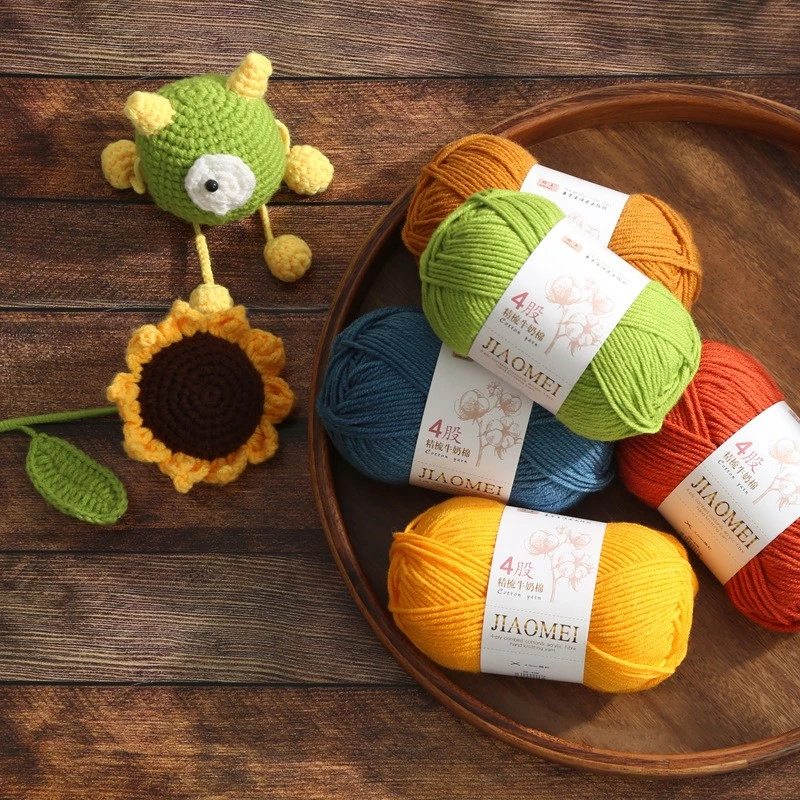
The Creator Economy Is Pulling B2B Demand
- •👶 Baby blankets & infant apparel
- •🧸 Amigurumi plushies & stuffed toys
- •🧣 Scarves, shawls & lightweight seasonal garments
- •🏠 Premium home décor & gift lines
Knitting communities consistently cite the same three reasons: "softer than standard cotton," "no itch,"and "colors pop beautifully"
. That end-consumer enthusiasm cascades upward into repeat bulk orders from distributors, boutique brands, and private-label yarn lines.


