

The Ultimate Guide to Finding the Best Grade of Merino Wool Yarn
Merino wool yarn has become one of the most sought-after materials for knitters, crocheters, and textile enthusiasts worldwide. But what exactly determines the best grade of merino wool yarn? In this comprehensive guide, we'll explore everything you need to know about merino wool grades, from micron counts to processing techniques that affect yarn quality.
Understanding Merino Wool: The Luxurious Fiber
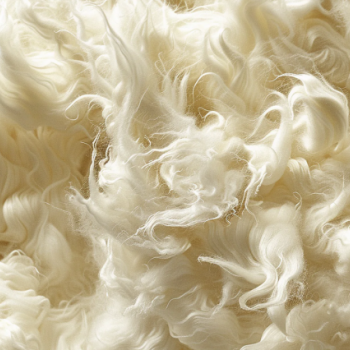
Merino wool comes from merino sheep, a breed renowned for producing exceptionally soft, fine wool fibers. Unlike standard wool that can feel coarse and itchy, merino wool yarn offers exceptional softness while maintaining wool's natural benefits like temperature regulation, moisture-wicking, and odor resistance.

The quality of merino wool yarn depends on several factors, primarily:
●Fiber diameter (micron count)
●Fiber length (staple length)
●Crimp and elasticity
●Processing methods
●Wool origin and breeding
The Micron Count: Key to Merino Wool Grading
Micron measurement is the most critical factor in determining merino wool grades. A micron (μm) equals one-millionth of a meter, and in wool terms, it measures the diameter of individual fibers.
Merino Wool Grade Scale
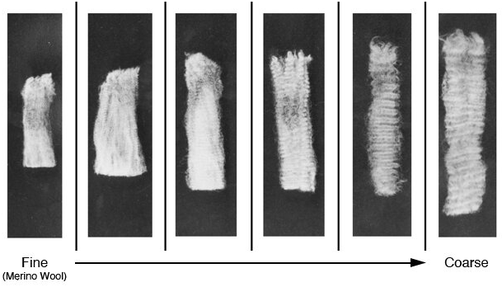
Merino wool grades typically fall into these categories based on micron count:
1.Ultra Fine Merino Wool (12-15 microns)
The finest, softest quality available
Comparable in feel to cashmere
Rare and expensive due to limited production
Ideal for baby garments and luxury apparel
2.Super Fine Merino Wool (15-17.5 microns)
Exceptionally soft while being more accessible
Perfect for next-to-skin wear
Common in high-end knitting yarns
3.Fine Merino Wool (17.6-18.5 microns)
Excellent balance of softness and durability
Widely available in premium yarn brands
Great for most knitting and crochet projects
4.Medium Merino Wool (18.6-20 microns)
Slightly more durable with perceptible softness
Good for outerwear and items needing structure
More affordable price point
5.Strong Merino Wool (20-23 microns)
Least soft but most durable
Better suited for rugs, upholstery, or outer layers
Not typically used for apparel-grade yarns
Most commercially available merino knitting yarn falls in the super fine to fine categories (15-18.5 microns), offering the perfect compromise between luxurious softness and practical durability.
Additional Factors Affecting Merino Yarn Quality
While micron count is paramount, several other elements contribute to merino wool yarn's overall quality:
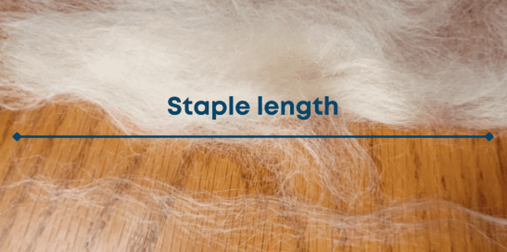
Staple Length
The length of individual wool fibers affects:
●Spinning capability
●Yarn strength
●Pilling resistance
Longer staples (over 2.5 inches/6 cm) create stronger, smoother yarns with less pilling. Shorter staples may be softer but less durable.
Crimp Structure
Merino wool's natural crimp (wave pattern) contributes to:
Elasticity and bounce
Insulating properties
Bulk without heaviness
Higher crimp count typically indicates better quality merino.
Wool Origin and Processing
The best merino wool yarns often come from:
●Australia and New Zealand: The world's top merino producers
●South America: Known for consistent quality
●South Africa: Produces excellent merino with unique characteristics
Processing methods like worsted or woollen spinning also affect the final yarn's characteristics.
Best Merino Wool Yarn Grades for Different Uses
1. Next-to-Skin Wear (Underwear, Base Layers, Baby Items)
Recommended: Ultra fine (12-15μ) or Super fine (15-17.5μ)
Benefits: Maximum softness, no itch factor, exceptional comfort
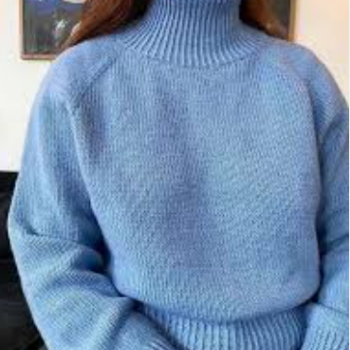
2. Everyday Knitwear (Sweaters, Scarves, Hats)
Recommended: Super fine to Fine (15-18.5μ)
Benefits: Softness with durability, good stitch definition
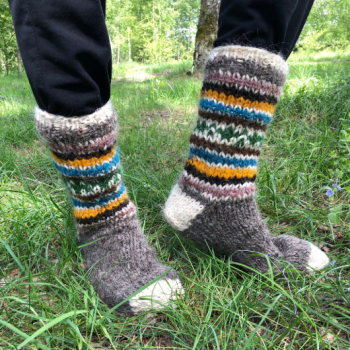
3. Socks and High-Wear Items
Recommended: Fine to Medium (17.6-20μ) blended with nylon
Benefits: Added durability while maintaining comfort
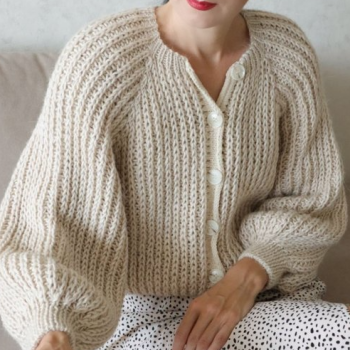
4. Outerwear and Structured Garments
Recommended: Medium (18.6-20μ)
Benefits: Better shape retention, more affordable

Identifying High-Quality Merino Wool Yarn
When shopping for premium merino wool yarn, look for:
1.Clear micron count labeling - Reputable brands specify the wool grade
2.Long staple length indication - "Extra long staple" is a positive sign
3.Origin information - Australian or New Zealand merino is generally best
4.Processing details - Worsted spun for smoother yarns, woolen for loftier
5.Certifications - Look for ZQ Merino, Responsible Wool Standard (RWS), etc.
Popular Merino Wool Yarn Types
1. 100% Merino Wool Yarn
The purest form, offering all of merino's natural benefits.
2. Merino Wool Blend Yarn
Common blends include:
Merino/Nylon (for durability)
Merino/Silk (for drape and sheen)
Merino/Alpaca (for extra warmth)
Merino/Cotton (for summer wear)
3. Superwash Merino Wool Yarn
Treated to be machine washable while retaining softness.
Caring for Your Merino Wool Yarn Projects
Proper care maintains the quality of merino wool items:
●Hand wash in cool water with wool detergent
●Lay flat to dry
●Store with cedar balls to prevent moths
●Avoid excessive friction to prevent pilling
Industry Trends in Merino Wool Yarn
1. Sustainable and Traceable Merino
Increasing demand for:
Ethically sourced merino wool
Fully traceable supply chains
Organic merino options
2. Innovative Blends
Manufacturers are creating new combinations like:
Merino with Tencel™ for drape
Merino with seaweed fiber for additional benefits
Recycled merino yarn options
3. Performance Merino
Development of:
Enhanced moisture-wicking treatments
UV-protective merino yarns
Antimicrobial treatments for activewear
Price Considerations for Different Merino Grades
Generally:
●Ultra fine (12-15μ): $40+ per 100g
●Super fine (15-17.5μ): $25-$40 per 100g
●Fine (17.6-18.5μ): $18-$30 per 100g
●Medium (18.6-20μ): $12-$20 per 100g
Prices vary by brand, origin, and additional processing.
Choosing the Best Merino Wool Yarn for You
When selecting merino wool yarn:
1.Consider the project purpose - Skin contact vs outerwear
2.Assess your budget - Finer microns command higher prices
3.Evaluate durability needs - Socks need more durability than shawls
4.Think about care requirements - Superwash vs traditional
5.Check yardage - Finer yarns often have more yardage per gram
For most knitters and crocheters, super fine to fine merino wool yarn (15-18.5 microns) represents the sweet spot between luxurious softness, good stitch definition, and reasonable pricing.
By understanding merino wool grades and how they translate to yarn quality, you can make informed choices that ensure your projects look beautiful, feel wonderful, and stand the test of time. Whether you're crafting heirloom pieces or everyday essentials, selecting the right merino wool grade makes all the difference in your finished creations.


