


What is the difference between single yarn and multi ply yarn? In simple terms, monofilament: 1 strand, multifilament: 2 strands or more, and single yarn: 1 strand. Multi strand yarn: 2 or more strands.
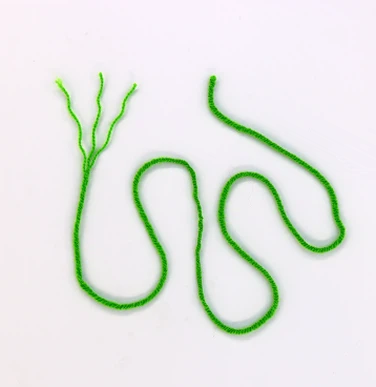
Differences between monofilament, multifilament, single yarn, and multi-strand yarn:
1. Monofilament: A single filament with a smaller number of strands produced using a single hole spinneret in the production of chemical fibers. Its fineness is thicker than that of a single filament in multifilament. The melted synthetic resin is formed by condensation through a thin stream of raw liquid pressed out of the pores of the spinneret. Or use a porous spinneret (up to 50 holes, for example) to spin, and then untwist stretch and split into a single filament package.
2. Multifilament: a type of chemical fiber filament. It is a twisted or untwisted tow formed by combining filaments spun from a porous spinneret. A multifilament composed of multiple single fibers is softer than a monofilament of the same size.
3. Single yarn: Simply put, a textile single yarn is woven with one thread, and a double yarn is woven with two yarns in combination.
4. Multi ply yarn: A ply yarn is a yarn formed by twisting two or more single yarns. Its strength and abrasion resistance are better than single yarn. At the same time, the strands can also be folded and twisted in a certain way to obtain double twisted strands, such as double strand, triple strand, and multi strand. Mainly used for sewing thread, knitting thread, or medium thick and strong fabrics.


